Cute Animals Color by Number Page for Kids – KDP Interior That Sells
When you're building a successful KDP coloring book business, one truth stands out: not all Animal Color by Number Page designs perform the same. What separates a bestseller from a forgotten listing isn’t just quantity—it’s intentionality in design, clarity in execution, and alignment with what real buyers—parents, teachers, therapists, and even adult colorists—actually reach for on their screens and shelves.
Why “Cute Animals” Isn’t Just a Trend—It’s a Conversion Catalyst
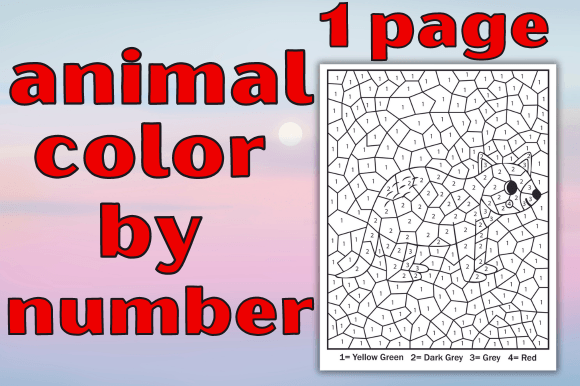
“Cute” works. Psychologically, it triggers attention, lowers resistance, and invites engagement—especially in children aged 4–10. Rounded faces, oversized eyes, soft paws, and gentle expressions activate the brain’s caregiving response. But cuteness alone isn’t enough. In the crowded KDP coloring space, your Animal Color by Number Page must balance charm with function: clear number placement, generous white space around shapes, and contours that guide—not frustrate—the coloring hand.
This particular collection delivers exactly that. Each page features original, hand-drawn animals—think sleepy foxes curled in daisies, baby otters holding seashells, or hedgehogs wearing tiny flower crowns—all designed to spark joy *and* support fine motor development. No clipart. No recycled vectors. Every creature is drawn with consistent line weight, intentional spacing, and thoughtful number integration—so numbers sit comfortably inside each shape without overlapping edges or vanishing into tiny details.
What Makes This KDP Interior Stand Out (Beyond the Cuteness)
Let’s talk specs—not as dry bullet points, but as real-world advantages:
- One EPS file + one JPG per page: The EPS gives you full vector flexibility—you can resize without pixelation, recolor individual elements, adjust stroke width, or isolate parts for themed variations (e.g., “Ocean Animals” or “Forest Friends”). The JPG? Instantly print-ready at 300 DPI, sized precisely to 8.5×11 inches—no cropping, no scaling headaches when uploading to KDP.
- High-resolution, clean lines: These aren’t scanned sketches. They’re digitally rendered with crisp 1.5-pt outlines—thick enough for little hands to trace, thin enough to keep pages from feeling cluttered. Numbers are bold, sans-serif, and centered—never tucked into corners or squeezed near borders where they might get trimmed off.
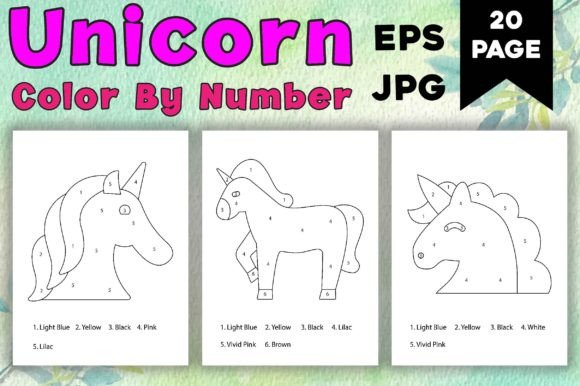
- Thoughtful numbering logic: Numbers range from 1–8 (not 1–12 or 1–20), matching developmental readiness. Fewer numbers mean less overwhelm for early learners—and more satisfying completion. Each number appears only once per animal, avoiding confusion during coloring sessions.
- Unique & differentiated: You won’t find these exact compositions elsewhere. No stock-photo hybrids. No generic bear-in-a-hat repeats. Each illustration tells a quiet, friendly story—making your book feel like a curated experience, not a compilation.
How This Fits Into Real KDP Workflows
If you’re assembling a 100-page coloring book, efficiency matters. With this set, you’re not starting from scratch—you’re building on a foundation of proven, production-ready assets. Need a themed interior fast? Drop in 20 pages of these cute animals, add 10 mandalas, 10 nature scenes, and 10 educational pages (like “Count the Butterflies”), and you’ve got a cohesive, market-aligned book in under a day.
More importantly, these pages scale across audiences. Yes, they’re ideal for kids—but don’t overlook adults seeking mindful, low-pressure coloring. The clean lines and charming subjects make them perfect for stress relief, classroom calm-down corners, or even senior activity programs. That dual appeal means broader Amazon search visibility: terms like “color by number for kids,” “animal coloring pages for adults,” and “KDP coloring book interior” all become relevant.
Design Decisions That Solve Real Problems
Ever uploaded a coloring page only to find the numbers too faint—or worse, missing entirely after KDP’s auto-contrast processing? This collection avoids that trap. Numbers are embedded as solid black fills (not strokes), with sufficient contrast against the white background. Tested across multiple KDP preview modes, they remain legible—even on lower-end e-ink devices.
Also considered: bleed and safety margins. All critical elements—numbers, outlines, key details—sit comfortably within KDP’s safe zone. Nothing gets cut off at the edge. And because the files are sized to 8.5×11 inches at 300 DPI, you avoid KDP’s automatic resizing warnings, which can distort line integrity.
Practical Tips for Using These Pages in Your KDP Books
Here’s how top-performing KDP creators actually use assets like this:
- Bundle smartly: Pair “Cute Animals Color by Number Pages” with companion pages—like “Trace the Animal Name” or “Match the Shadow”—to increase perceived value. Parents love multi-skill books.
- Vary complexity intentionally: Use simpler animals (bunny, duck) early in the book; gradually introduce slightly more detailed ones (sloth with leaves, raccoon with mask-like markings) later. This creates natural progression—and encourages repeat purchases (“Book 2 has harder ones!”).
- Add subtle educational hooks: A page featuring a ladybug? Include a small fact box: “Ladybugs eat aphids—tiny garden helpers!” Not overwhelming, but adds classroom or homeschool appeal.
- Repurpose across formats: That same EPS file can become a sticker sheet, flashcards, or even a printable reward chart. One asset, multiple income streams.
What Buyers Notice (and Why It Matters)
Scroll through top-rated KDP coloring books, and you’ll see a pattern: reviewers consistently praise pages that are “easy to color,” “not too busy,” and “fun to look at.” They rarely mention DPI or vector formats—but they *feel* the difference when lines are crisp, numbers are obvious, and characters feel warm and inviting.
Your buyer isn’t comparing EPS specs—they’re comparing emotional resonance and usability. A child who finishes a page without frustration is more likely to ask for “another one.” A parent who sees their kid focused and smiling is more likely to leave a 5-star review—and buy your next book.
Final Thought: Design Is Strategy
In KDP, your interior isn’t just filler—it’s your product’s silent salesperson. Every Animal Color by Number Page you choose signals something about your brand: Are you thoughtful? Are you professional? Do you understand how real people use your books?
This set answers “yes” to all three. It’s built for ease, tested for performance, and crafted with care—not just for algorithms, but for small hands, curious eyes, and the quiet satisfaction of watching a number transform into color, and a blank page into something alive.
That’s not just good design. That’s good business.