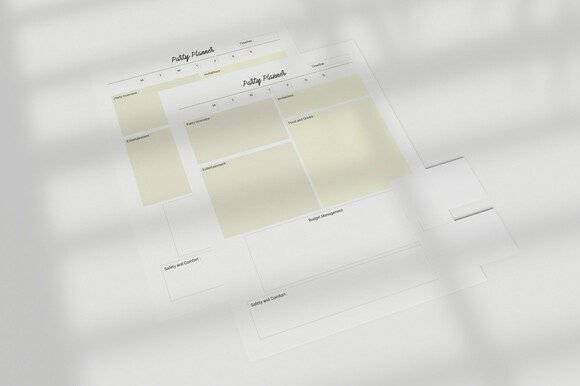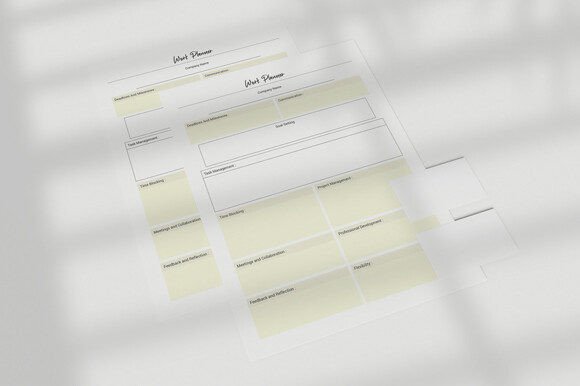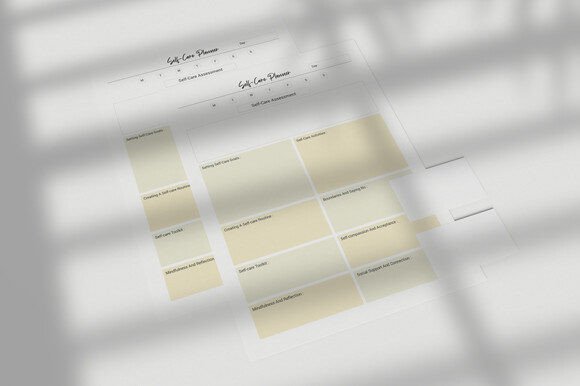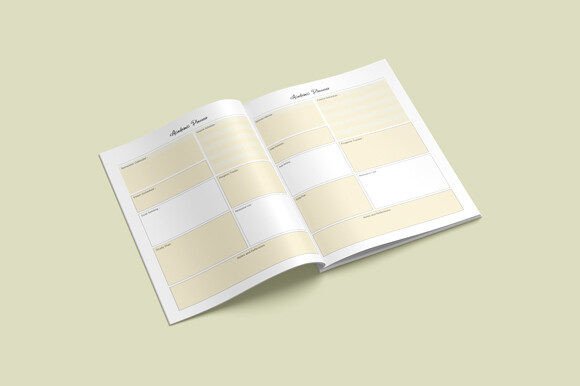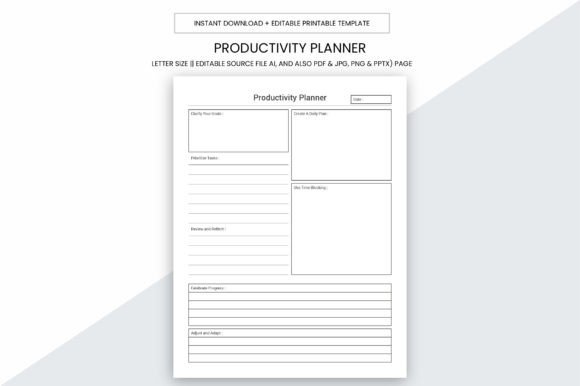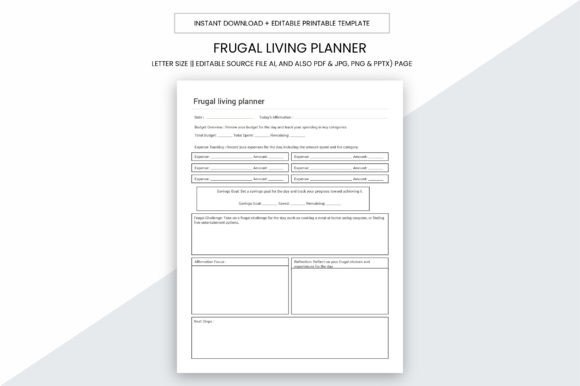
Frugal Living Planner Page Notebook
The Frugal Living Planner Page Notebook is a digital planner resource designed for individuals and small businesses seeking an organized, printable system to track spending, set budgets, manage household tasks, and support intentional financial habits. It is delivered as a downloadable digital file—not a physical notebook—and includes editable source files (Adobe Illustrator .ai), plus universally compatible formats: PDF, JPG, PNG, and PPTX. With 109 interior pages optimized for KDP publishing, it serves both personal use and commercial applications such as print-on-demand or local print services.
Who Might Consider This Planner?
People exploring frugal living tools often seek structure without complexity. The Frugal Living Planner Page Notebook appeals to several distinct groups:
- Individuals building financial discipline—those tracking daily expenses, meal planning, debt payoff progress, or seasonal savings goals.
- Small business owners or side-hustlers managing personal and business finances separately while maintaining lean operations.
- KDP creators looking for a ready-to-upload interior with consistent formatting, no bleed, and high-resolution output (300 ppi) that meets Amazon’s printing standards.
- Local print service users who need clean, print-ready files in standard US letter size (8.5 x 11 inches) without cropping or scaling adjustments.
Key Features and Their Practical Implications
The Frugal Living Planner Page Notebook includes features that directly affect usability and adaptability:
- 8.5 x 11 inch layout, no bleed: Ensures compatibility with most home printers, office copiers, and commercial print providers. No risk of critical content being cut off during trimming.
- Digital download with multiple formats: PDF offers immediate printing; AI allows customization for branding or layout changes; JPG/PNG suit visual previews or social media promotion; PPTX supports slide-based presentations or classroom-style budget workshops.
- High-resolution (300 ppi): Supports crisp text and clean lines when printed—important for readability and professional appearance, especially in KDP paperbacks where pixelation can degrade perceived quality.
- 109-page PDF interior: Meets minimum page count thresholds for KDP paperback listings while avoiding unnecessary bloat. Pages are structured logically but not locked into rigid daily/weekly/monthly templates—offering flexibility over prescriptive scheduling.
Benefits and Realistic Tradeoffs
One benefit is efficiency: users avoid designing from scratch. The pre-formatted interior reduces time spent on layout, typography, and spacing—especially valuable for those unfamiliar with desktop publishing software. Its modularity also means pages can be reordered, omitted, or duplicated based on current priorities (e.g., focusing on grocery tracking one month, utility cost analysis the next).
However, tradeoffs exist. Because it’s a static digital product—not a subscription-based app or cloud-synced tool—it lacks automation (e.g., auto-calculating totals, syncing with bank feeds). Users must manually enter and update data. Also, while the AI file enables edits, modifying it requires familiarity with Adobe Illustrator or similar vector software—limiting accessibility for non-designers.
Another consideration is scope. Unlike comprehensive budgeting apps (e.g., YNAB or Mint), this planner doesn’t offer forecasting, alerts, or multi-device access. It assumes the user prefers tactile engagement—writing by hand or typing into fillable PDF fields—and values privacy through offline use.
When This Planner Is a Strong Fit
The Frugal Living Planner Page Notebook works well in situations where:
- You prioritize simplicity over feature density—valuing clarity and intentionality more than real-time analytics.
- You’re launching a KDP journal or planner business and need a reliable, tested interior that complies with Amazon’s formatting guidelines (no bleed, correct margins, CMYK-safe colors if printed).
- You run a local print shop or stationery brand and want to offer customizable, low-overhead products without inventory risk.
- Your frugal living practice emphasizes reflection, habit-building, and visual accountability—such as logging weekly spending patterns or reviewing monthly progress against goals.
When Alternatives May Be Worth Exploring
This planner may be less suitable if you need:
- Automated calculations: Spreadsheets (Google Sheets or Excel) with built-in formulas offer dynamic updates and conditional formatting—ideal for users comfortable with basic formulas and wanting instant summaries.
- Mobile-first tracking: Apps like Goodbudget or PocketGuard provide push notifications, transaction categorization, and syncing across devices—better for people who spend most of their day on smartphones.
- Highly personalized layouts: Blank bullet journals or custom-designed Notion templates allow total control over structure, aesthetics, and interactivity—but require significant setup time and ongoing maintenance.
- Collaborative planning: Shared digital documents (e.g., Google Docs or Airtable bases) support real-time editing among partners or family members—something static PDFs or printed pages cannot replicate.
Making a Practical Decision
To determine whether the Frugal Living Planner Page Notebook aligns with your needs, ask yourself:
- What is my primary goal? If it’s consistency, portability, and minimal tech dependency—this planner supports that. If it’s speed, automation, or integration with other tools, another option may serve better.
- How much time am I willing to invest in setup and maintenance? This planner requires little setup beyond downloading and printing—but ongoing use relies on manual input. Compare that to apps requiring initial account creation and sync setup, then offering recurring value with less active upkeep.
- Do I need scalability? For one-time use or short-term projects (e.g., a 90-day budget reset), its fixed structure is sufficient. For evolving long-term systems—like growing a small business—you may eventually outgrow static templates and need modular, expandable tools.
- What’s my preferred medium? If handwriting improves retention and focus for you, a printable planner remains effective. If you rely on search, tagging, or voice notes, digital-native solutions become more practical.
In summary, the Frugal Living Planner Page Notebook is a purpose-built tool—not a universal solution. Its strength lies in balancing structure with flexibility, supporting both individual habit formation and small-scale commercial use. It fits best when clarity, ease of printing, and offline reliability matter more than automation or cross-platform convenience. Evaluating it alongside your specific workflow, technical comfort, and long-term objectives will help ensure it serves your frugal living goals effectively.