Composition Notebook DIY Kit 8 for Canva
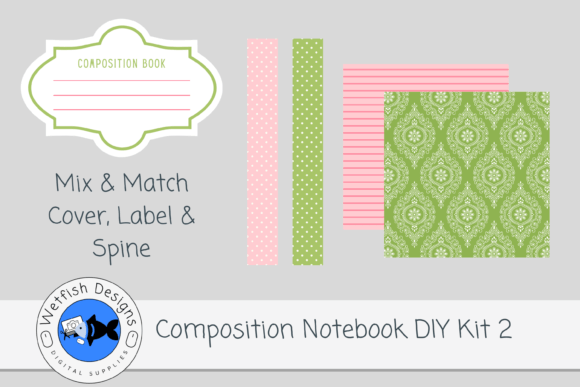
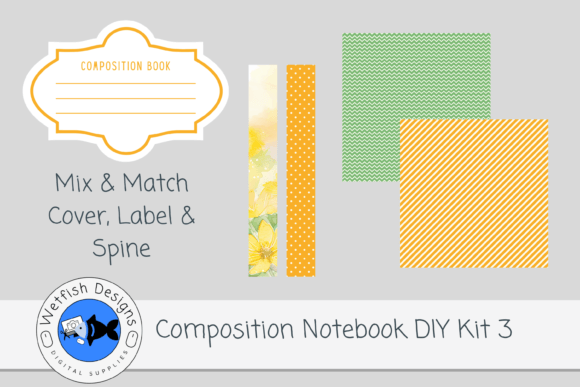
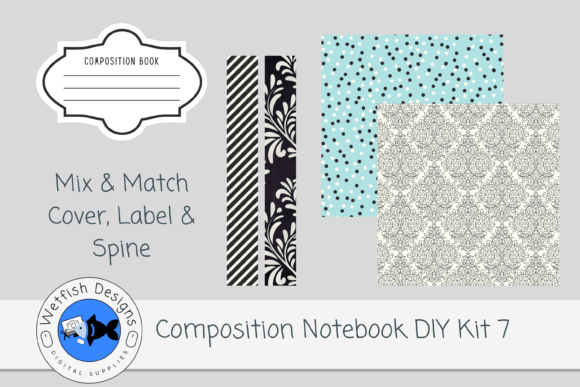
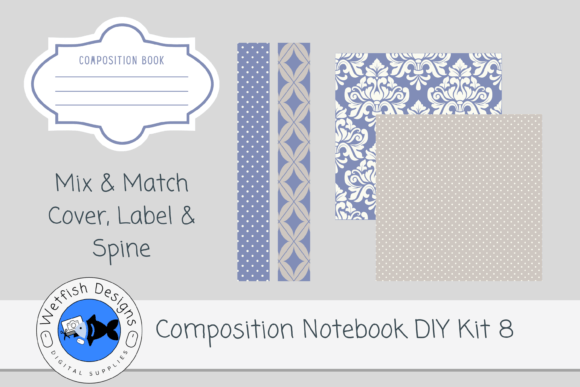
If you’ve ever stared at a blank KDP cover canvas wondering how to make your composition notebook stand out—without hiring a designer or wrestling with complex software—you’re not alone. Composition Notebook DIY Kit 8 for Canva is built for that exact moment: a ready-to-use, high-resolution toolkit that bridges creativity and practicality. It includes two professionally sized spine templates (PNG, 300dpi), two 12×12” cover paper designs (JPG, 300dpi), and a fully editable Canva template—plus a PDF source file for precise adjustments. No interior pages. No guesswork. Just crisp, coordinated assets designed to help you launch polished notebooks faster.
Why This Kit Fits Different Goals—Without One-Size-Fits-All Pressure
What makes this kit useful isn’t just what’s included—it’s how flexibly it serves people with different priorities, skills, and timelines.
For Beginners Building Their First KDP Notebook
If you’re new to self-publishing—or even to Canva—you’ll appreciate how little setup this kit requires. The Canva template opens directly in your browser, already sized to standard composition notebook dimensions (7.5" × 9.25"). You don’t need to calculate bleed, trim, or spine width. Just drag, drop, and swap text or colors. The spines come pre-sized and transparent, so they layer cleanly over your chosen paper design. One educator told us she used Kit 8 to create three themed notebooks for her middle school writing class in under an hour—no prior design experience needed.
For Freelancers & Small Publishers Managing Multiple Projects
Time is your most valuable asset—and consistency matters. With two spine options and two paper designs, you can quickly A/B test cover variations across niches (e.g., “Gratitude Journal” vs. “STEM Lab Notebook”) without reformatting from scratch. Because everything is 300dpi and print-ready, you avoid last-minute resolution checks before uploading to KDP. One freelance journal designer uses Kit 8 as a base layer, then adds custom illustrations or client-branded fonts on top—cutting her average cover turnaround from 90 minutes to under 25.
For Educators & Content Creators Adding Value to Courses
Teachers, coaches, and course creators often bundle printable workbooks or physical journals with digital offerings. Here, Kit 8 supports both function and credibility. A homeschool curriculum developer used the 12×12” paper files to print durable, matte-finish covers for student notebooks—then reused the same spine files across five subject-specific titles. The coordinating color palette meant her series looked intentional, not pieced together. For her, the value wasn’t just visual polish—it was reinforcing trust through cohesive branding.
For Hobbyists & Journaling Enthusiasts Who Print at Home
You don’t need to publish on Amazon to benefit. Many people use these files to craft personalized notebooks for gifts, bullet journaling, or creative practice. The 12×12” JPGs work beautifully with home printers that support borderless printing on cardstock—or with local print shops that accept high-res JPEGs. One user printed Kit 8’s floral paper design onto kraft cardstock, paired it with a handmade cloth spine, and gifted hand-bound notebooks to her book club. For her, flexibility mattered more than automation: she loved being able to scale elements manually in Canva or crop the JPGs freely in Preview or Paint.NET.
What You’re Actually Getting—And What You’re Not
Transparency helps you decide fast:
- Two spine files: PNG format, transparent background, 300dpi, sized for standard 7.5" × 9.25" composition notebooks (spine width adjusts automatically based on page count—just input your total pages in Canva).
- Two cover paper files: 12×12” JPGs, 300dpi, vibrant and crisp—designed to wrap around front, spine, and back seamlessly.
- One Canva template: Fully editable, with labeled layers and guides. Resize text, change fonts, adjust colors—all within Canva’s free tier.
- One PDF source file: Contains all assets plus usage notes. Editable in Adobe Acrobat or similar tools if you prefer fine-tuning outside Canva.
- Not included: Interior pages, fonts (though common system fonts work well), or printing services. This is strictly a cover toolkit—not a full notebook solution.
How to Know If Kit 8 Aligns With Your Next Step
Ask yourself a few quiet questions—not about what’s trendy, but what fits *your* workflow right now:
- Do you need speed without sacrificing quality? If you’re launching a niche notebook series this month—or updating covers for seasonal content—Kit 8 removes friction. You’re not starting from zero; you’re building on a professional foundation.
- Do you value control over convenience? Unlike locked templates or subscription-based tools, Kit 8 gives you full ownership of every file. You can modify, archive, reuse, or combine it with assets from other kits—no logins, no expiring links.
- Are you balancing creativity with realism? Maybe you love designing—but also have a day job, family, or limited bandwidth. Kit 8 respects that. It doesn’t ask you to become a graphic designer. It asks you to bring your voice, your audience insight, and your purpose—and handles the technical scaffolding.
It’s not for everyone. If you’re committed to hand-drawing every element or require CMYK-optimized files for offset printing, this kit may sit just outside your current needs. But if you want clean, coordinated, print-ready cover assets that honor your time and intention—without demanding new software or steep learning curves—Composition Notebook DIY Kit 8 for Canva meets you where you are.
A Final Thought—On Sustainability, Not Just Style
Well-designed notebooks endure. They get dog-eared, highlighted, gifted, and passed down. That longevity starts with thoughtful cover choices—not just eye-catching ones. Kit 8’s color-coordinated spines and papers help ensure your notebook feels unified in hand, not just online. And because the files are reusable across projects, you’re investing in a tool—not a one-off decoration. Whether you're publishing your first journal or your fiftieth, that kind of quiet reliability matters. It lets your ideas take center stage—where they belong.